Rune Library
24 Elder Futhark Runes: Symbols, Names and Meanings
Look up 24 rune symbols and names, separate historical evidence from modern readings, and compare Fehu, Gebo and Algiz with worked examples.
Continue exploring
A 24-rune reference with three groups of eight, source distinctions, reversal rules and a concrete exercise about sharing project resources.
24 Elder Futhark Runes: Symbols, Names and Meanings
Look up 24 rune symbols and names, separate historical evidence from modern readings, and compare Fehu, Gebo and Algiz with worked examples.
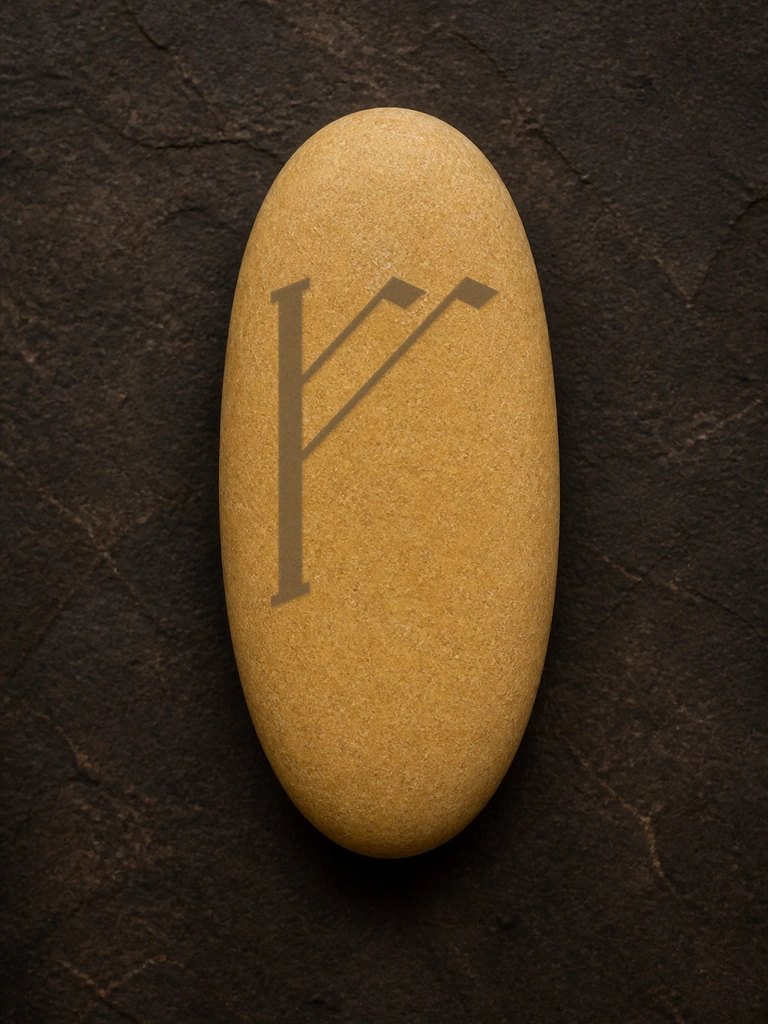
Fehu · Rune
Resources begin to move again, highlighting wealth, opportunity, or usable energy.
Resources leak away through overreach, burnout, or poor stewardship, so damage control comes first.
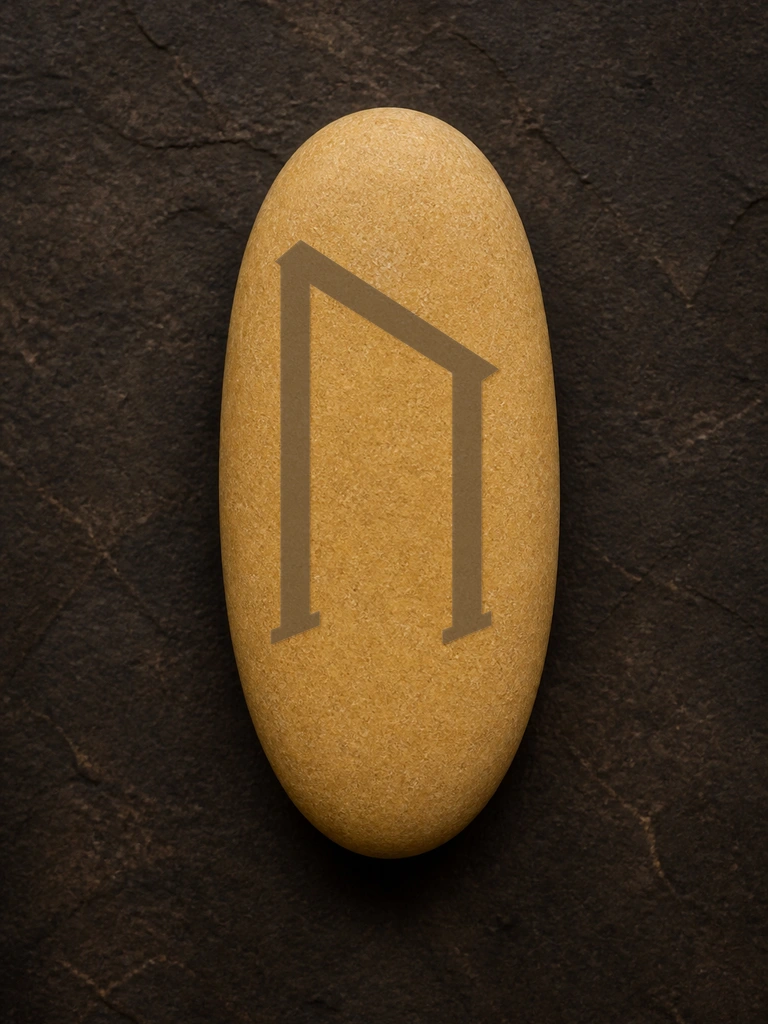
Uruz · Rune
Raw power and stamina are building, making this a good time to rebuild and push through resistance.
Strength is drained or misdirected, leading to fatigue, stubbornness, or loss of control.
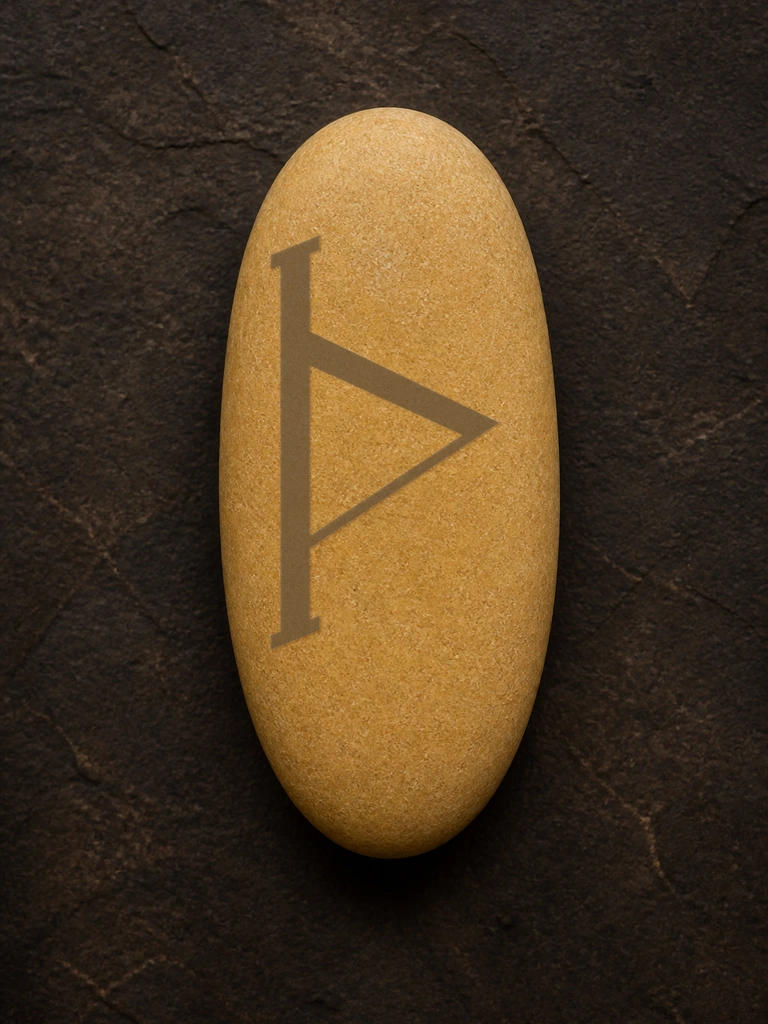
Thurisaz · Rune
You are at a threshold where defense and risk review matter more than impulsive action.
Defenses weaken and timing slips, making you vulnerable to conflict or premature action.
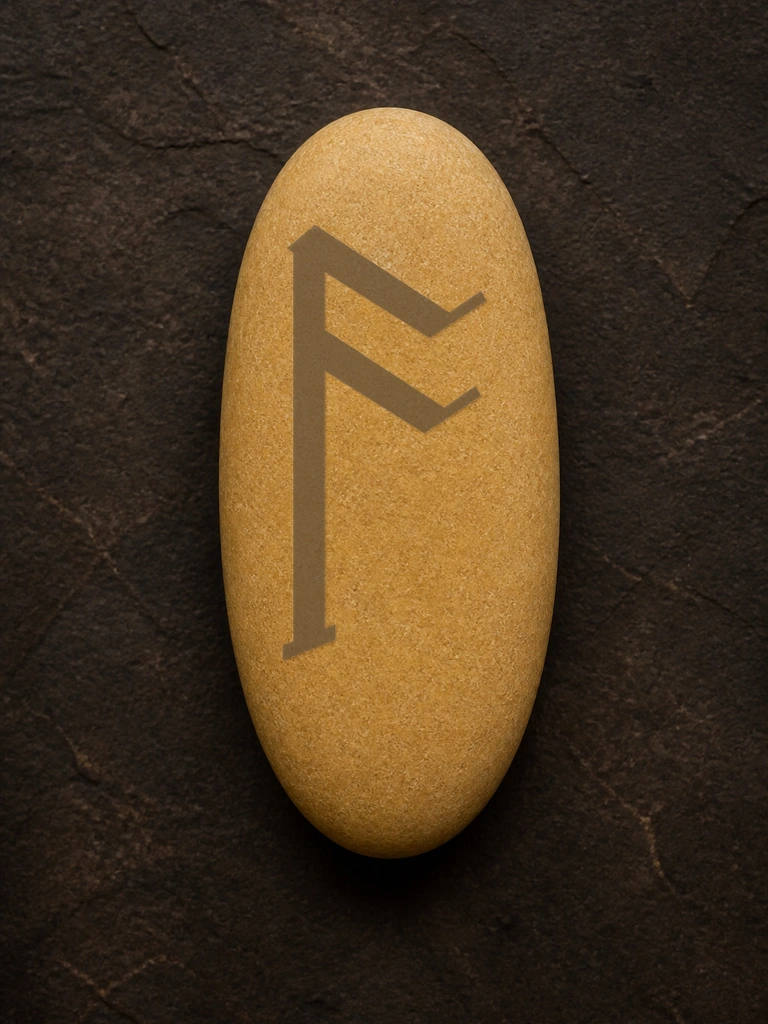
Ansuz · Rune
Key information arrives through conversation, signals, or inspiration, so clarity matters.
Messages distort or misfire, so verify facts before letting mood or suggestion steer you.
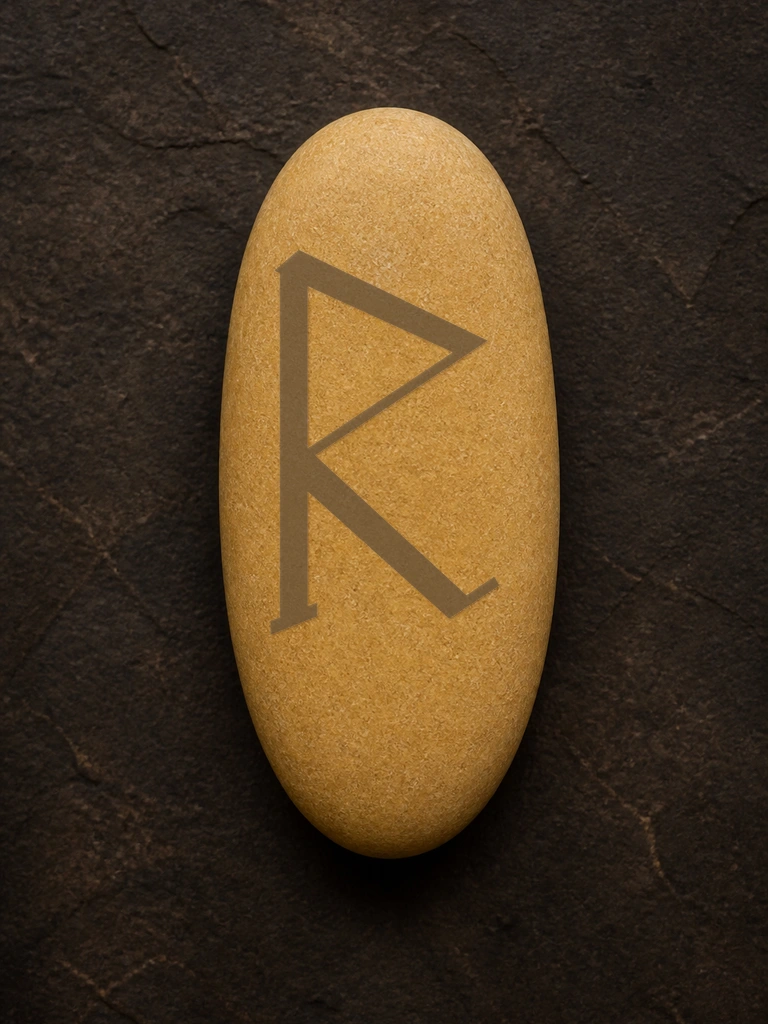
Raidho · Rune
The situation is moving onto the right track, where alignment matters more than speed.
Momentum tangles and plans fall out of sync, signaling that route or timing needs recalibration.
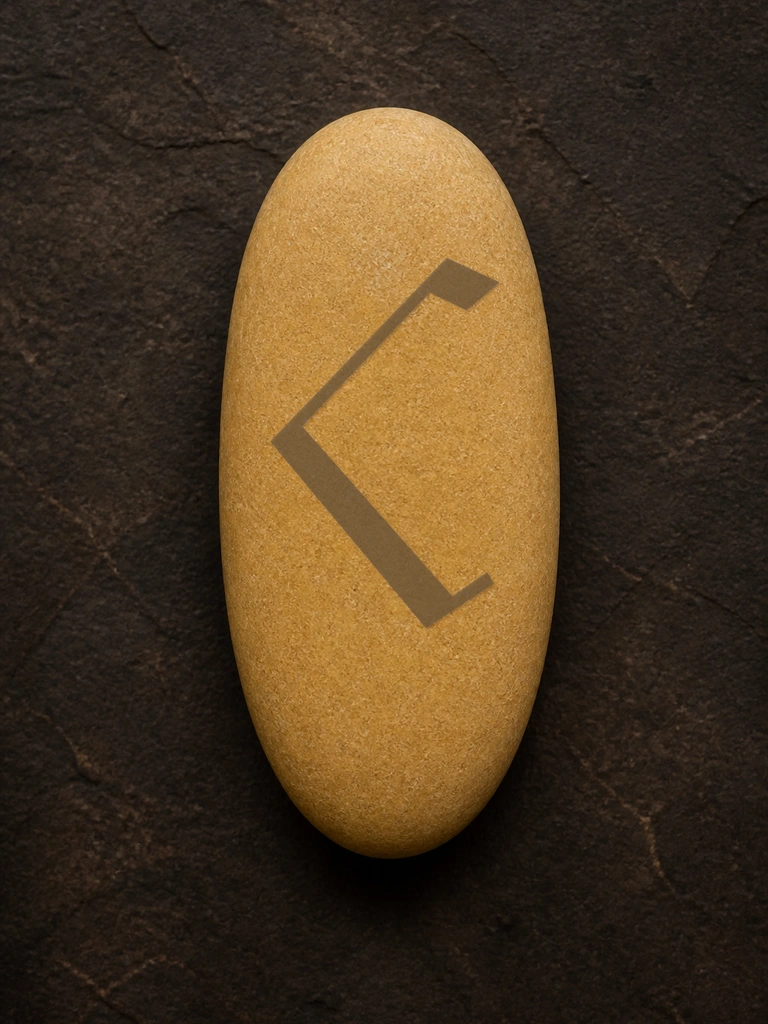
Kenaz · Rune
The unclear part becomes illuminated, favoring study, diagnosis, and frank explanation.
The light dims, raising the risk of misjudgment, lost motivation, or blurred thinking.
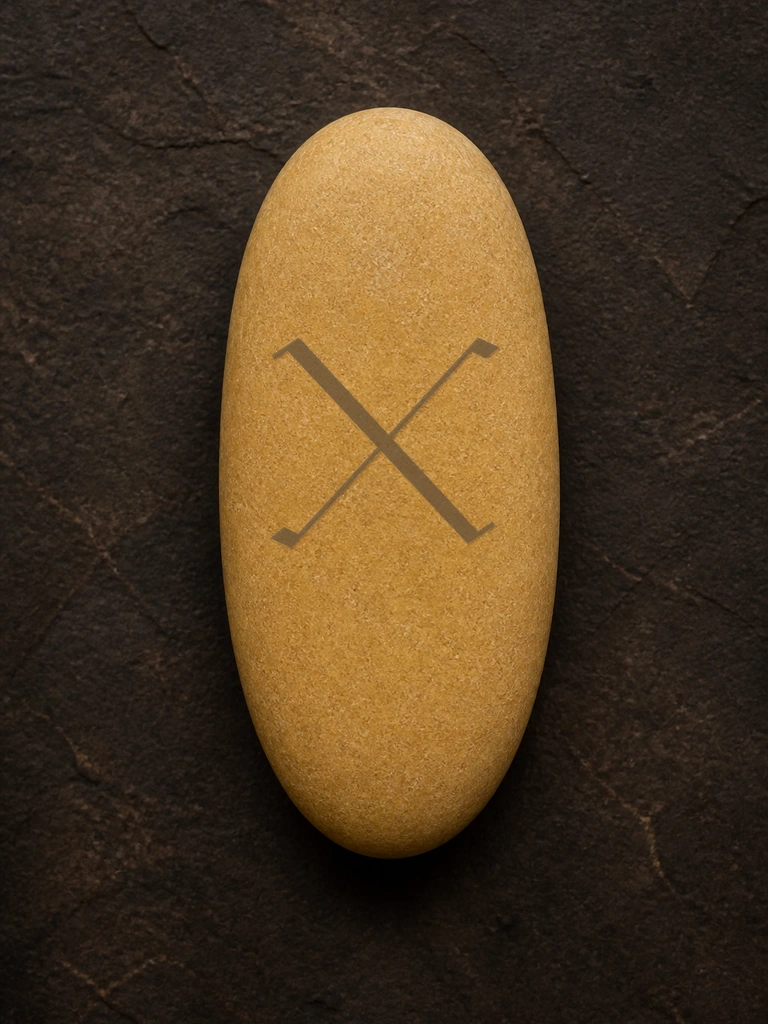
Gebo · Rune
Balance the give-and-take, because reciprocity works better than one-sided demand.
This tool does not assign a separate reversed meaning to this rune; it uses the same interpretation in either orientation.
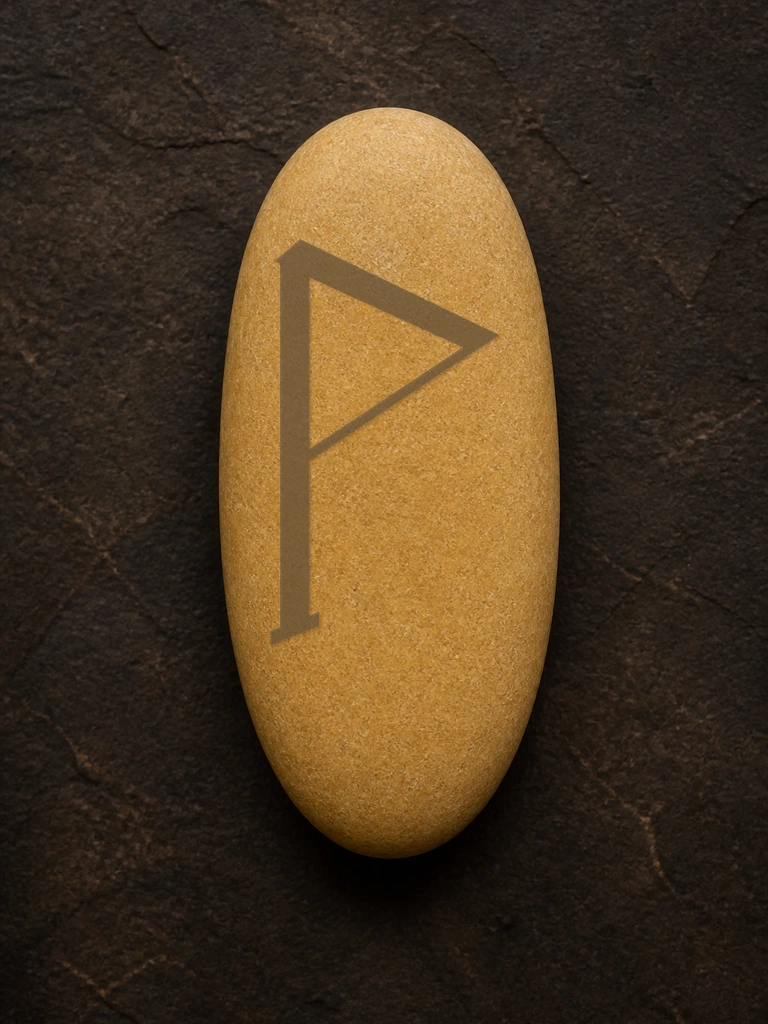
Wunjo · Rune
The situation can return to a smoother, lighter rhythm if inner alignment is restored first.
A bright surface hides strain underneath, and joy gets drained by delay, friction, or mismatch.
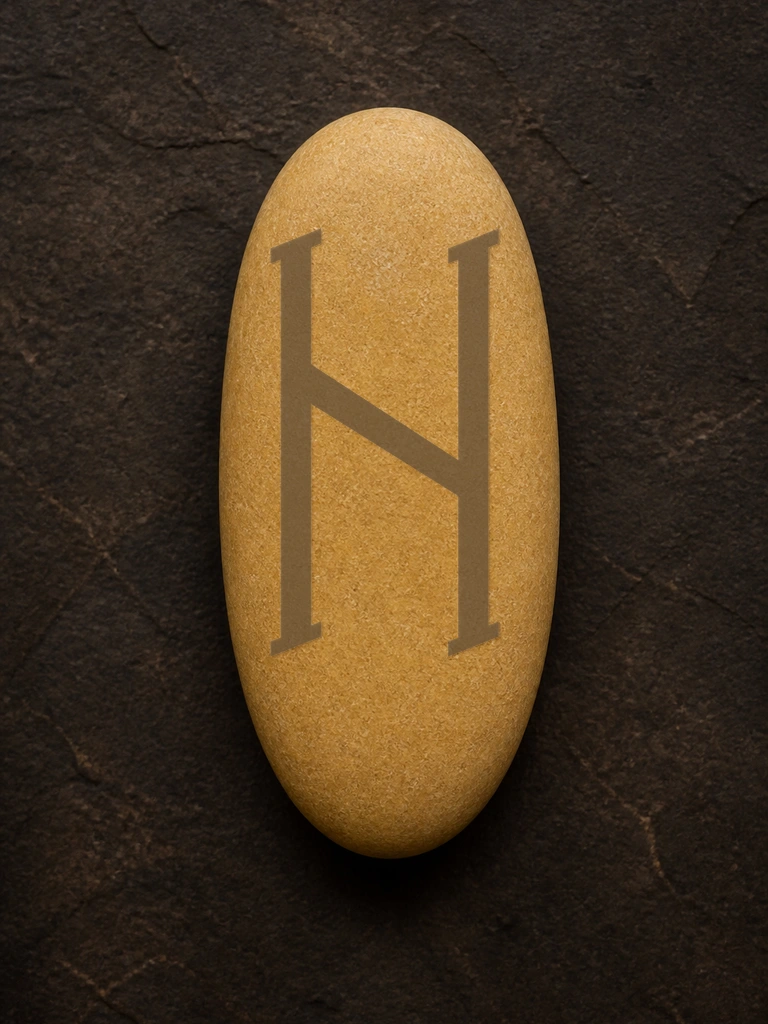
Hagalaz · Rune
External disruption is rewriting the situation, so accept the structural change before reacting.
This tool does not assign a separate reversed meaning to this rune; it uses the same interpretation in either orientation.
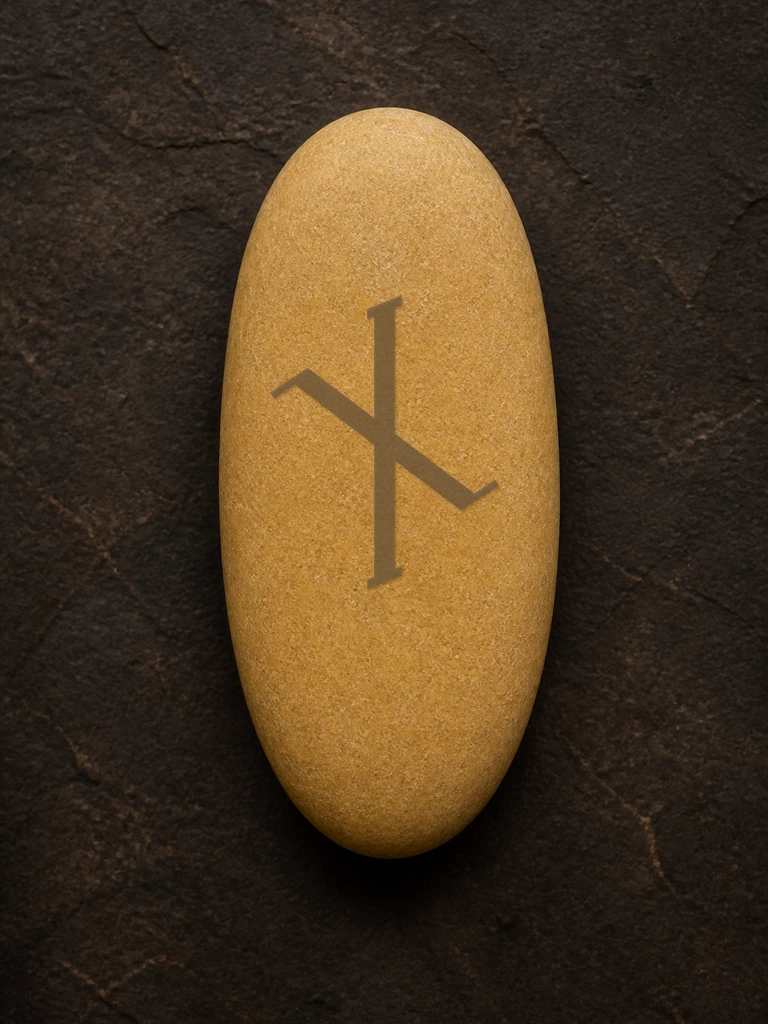
Nauthiz · Rune
Real constraints are active now, so separate genuine need from emotional want.
Real constraints are active now, so separate genuine need from emotional want.
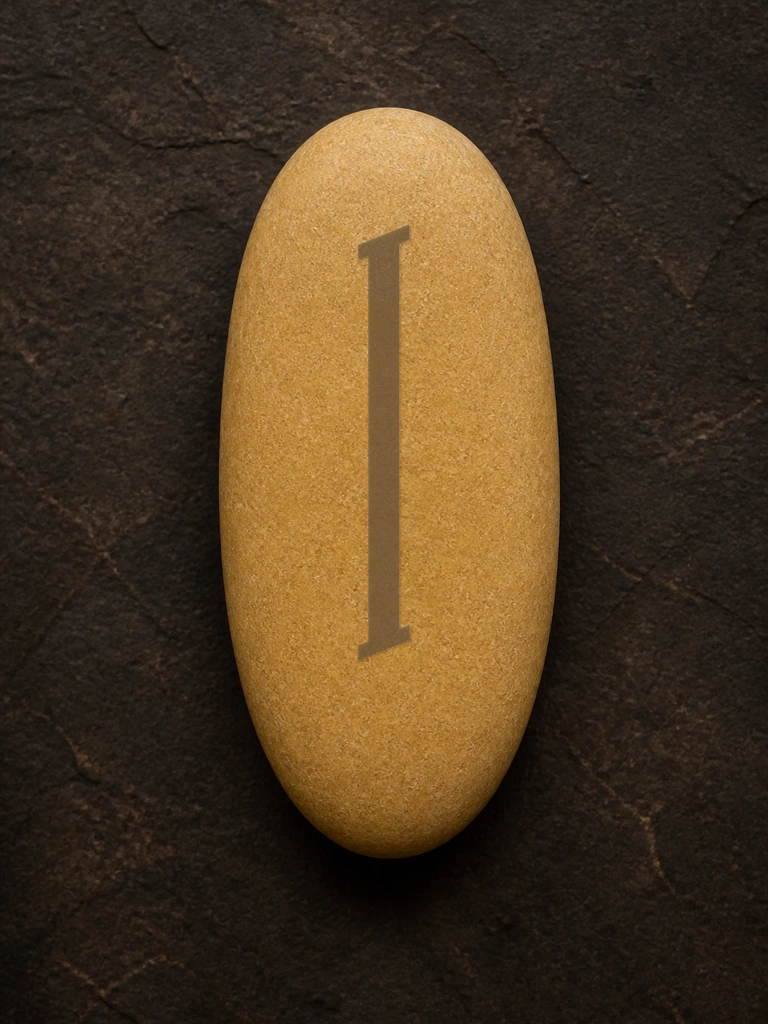
Isa · Rune
This is not a push window; pause, cooling down, and observation create more value than forcing progress.
This tool does not assign a separate reversed meaning to this rune; it uses the same interpretation in either orientation.
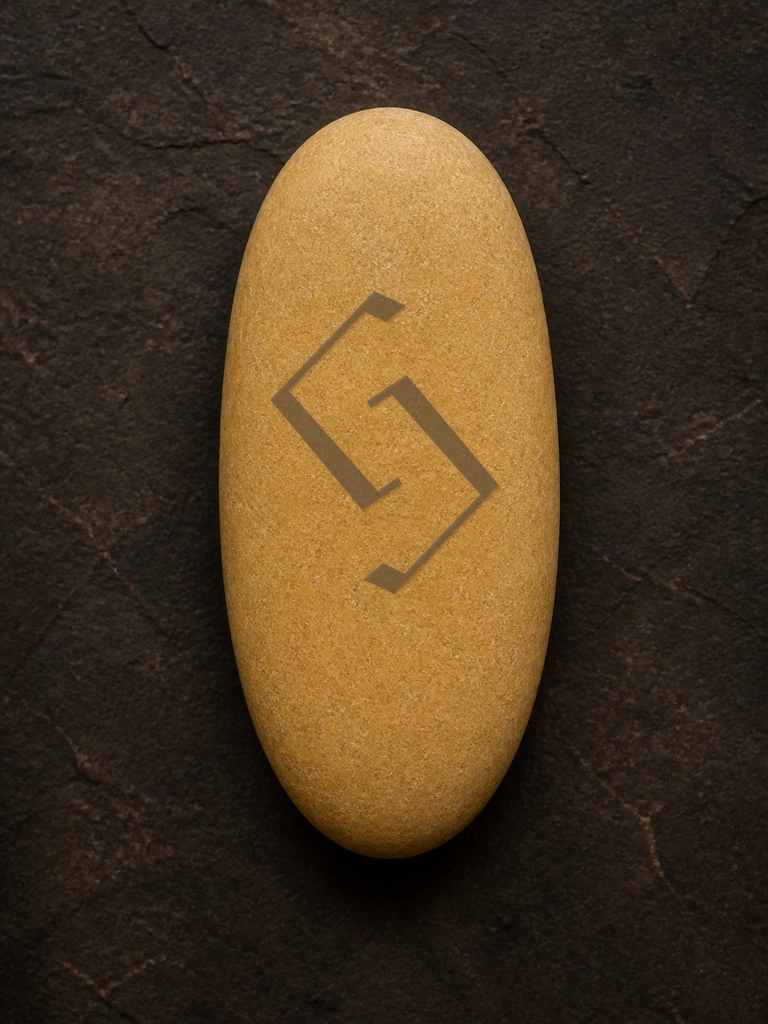
Jera · Rune
You are moving toward the harvest of earlier effort, and natural ripening matters more than rushing.
This tool does not assign a separate reversed meaning to this rune; it uses the same interpretation in either orientation.
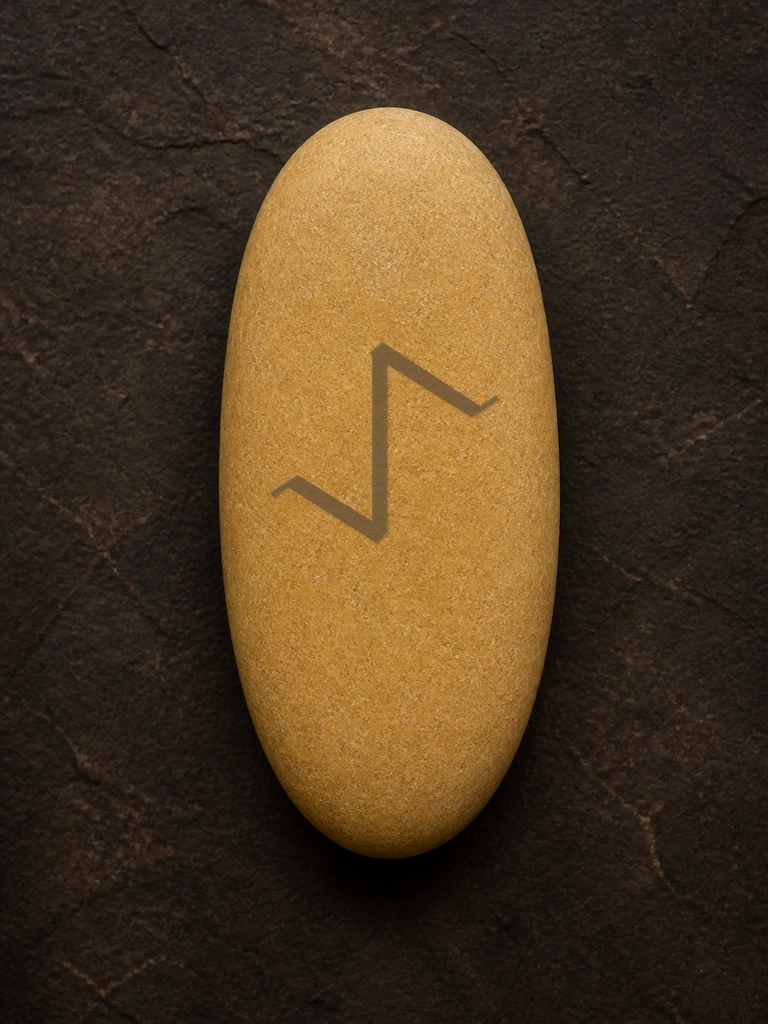
Eihwaz · Rune
The moment asks for backbone and endurance while one structure fades and another has not fully formed.
This tool does not assign a separate reversed meaning to this rune; it uses the same interpretation in either orientation.
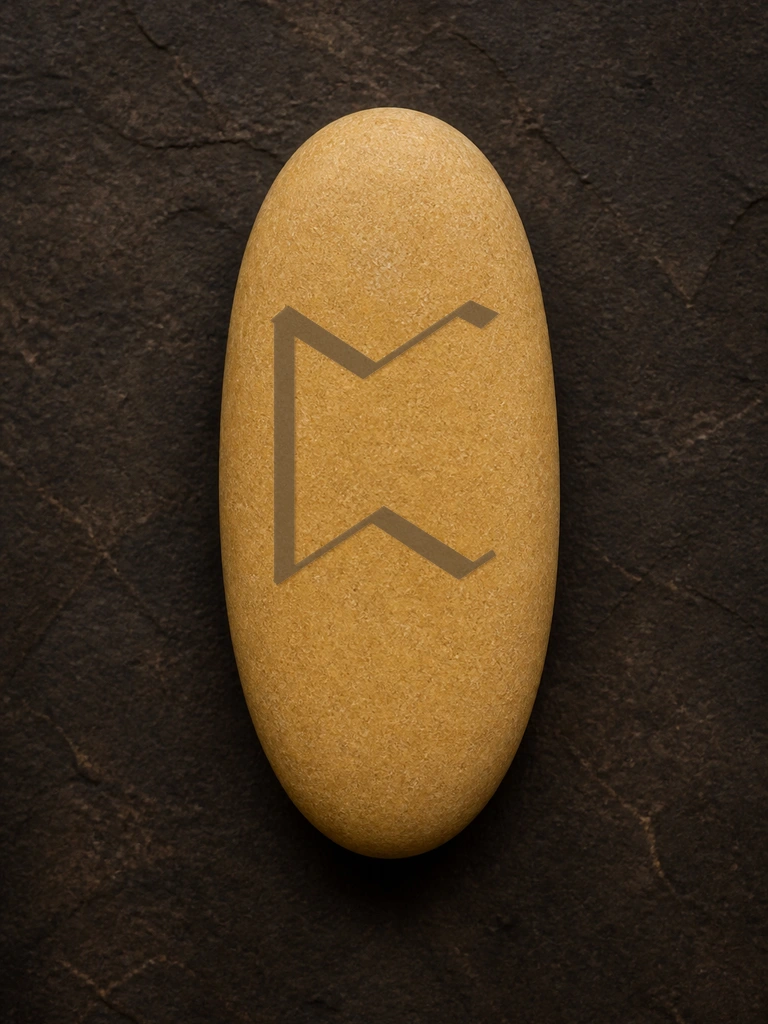
Perthro · Rune
Hidden variables are still active, so leave room for what is not yet visible.
You may mistake chance for certainty or ignore hidden information by over-controlling the outcome.
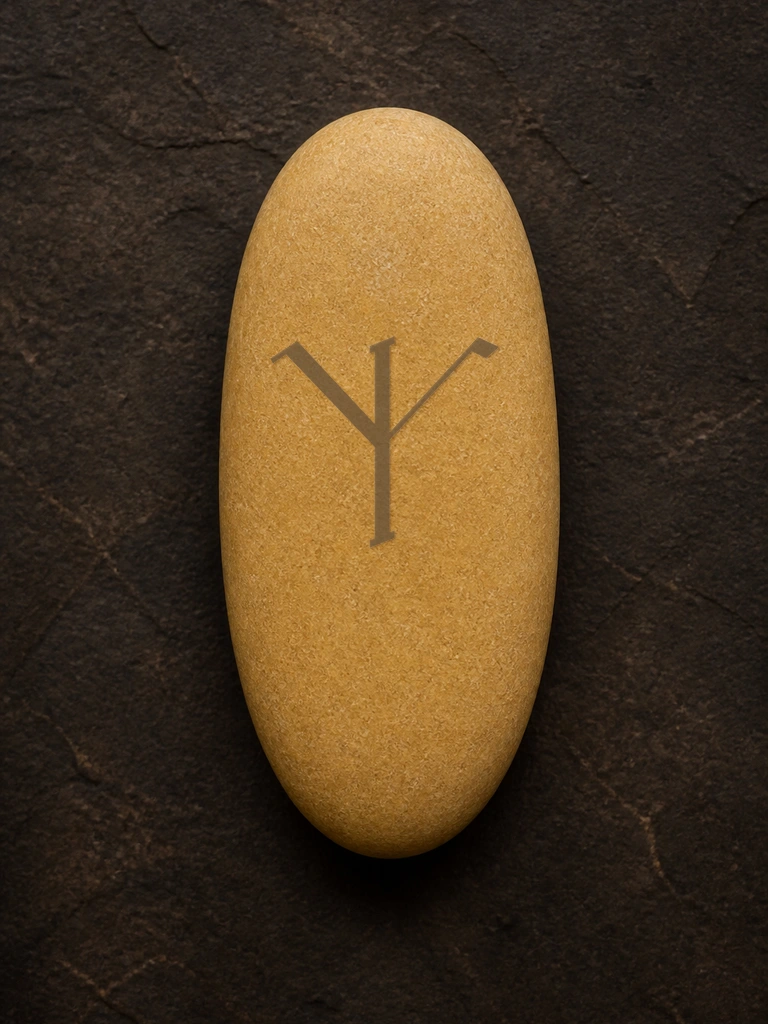
Algiz · Rune
Protection is available if you keep clear boundaries and stay alert.
Boundaries that are too loose or too rigid both create trouble, so identify the real point of exposure.
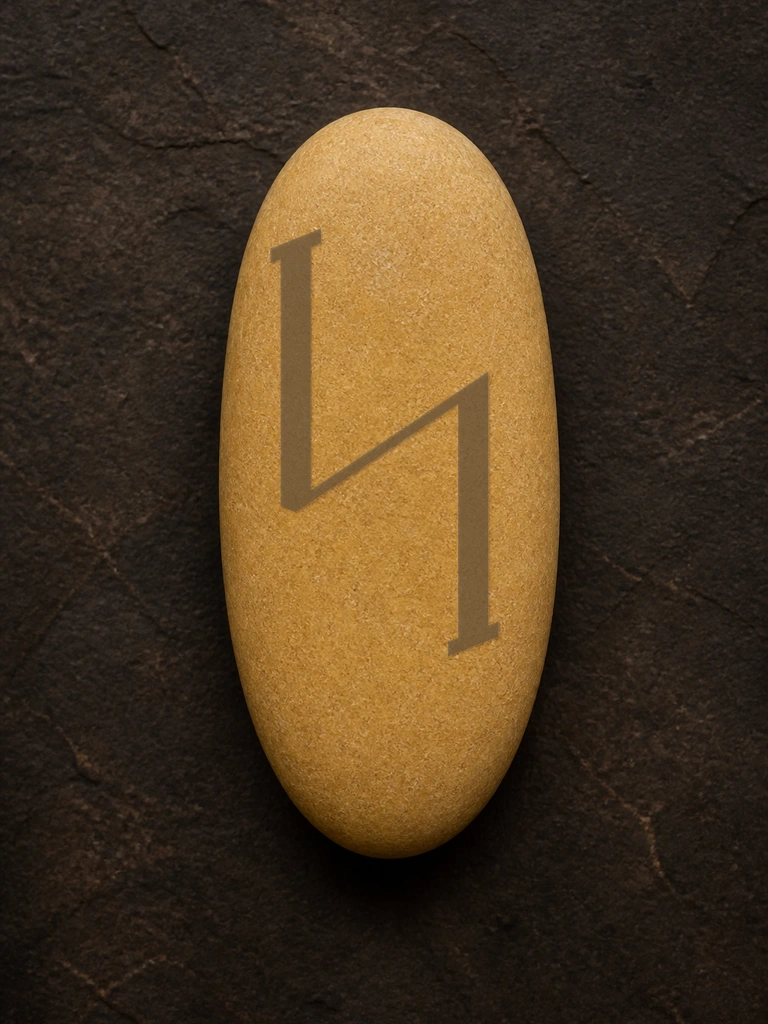
Sowilo · Rune
Direction becomes clearer, returning agency, visibility, and confidence to your side.
This tool does not assign a separate reversed meaning to this rune; it uses the same interpretation in either orientation.
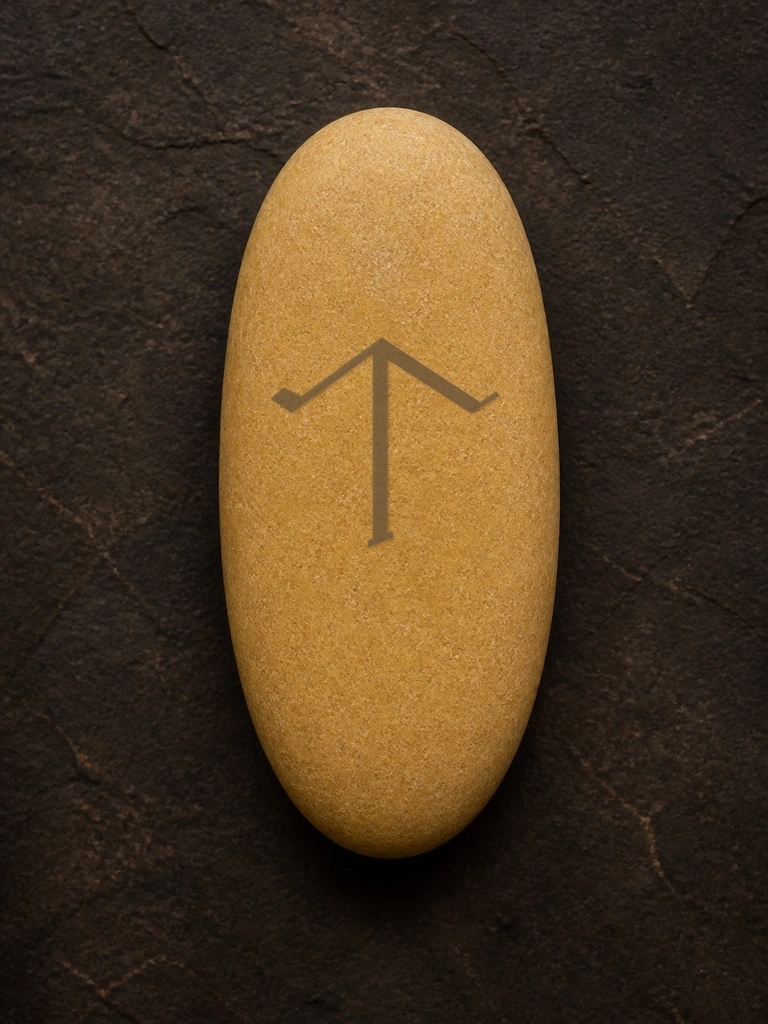
Tiwaz · Rune
Choose by principle rather than convenience; short-term gain should not outrank long-term integrity.
Choose by principle rather than convenience; short-term gain should not outrank long-term integrity.
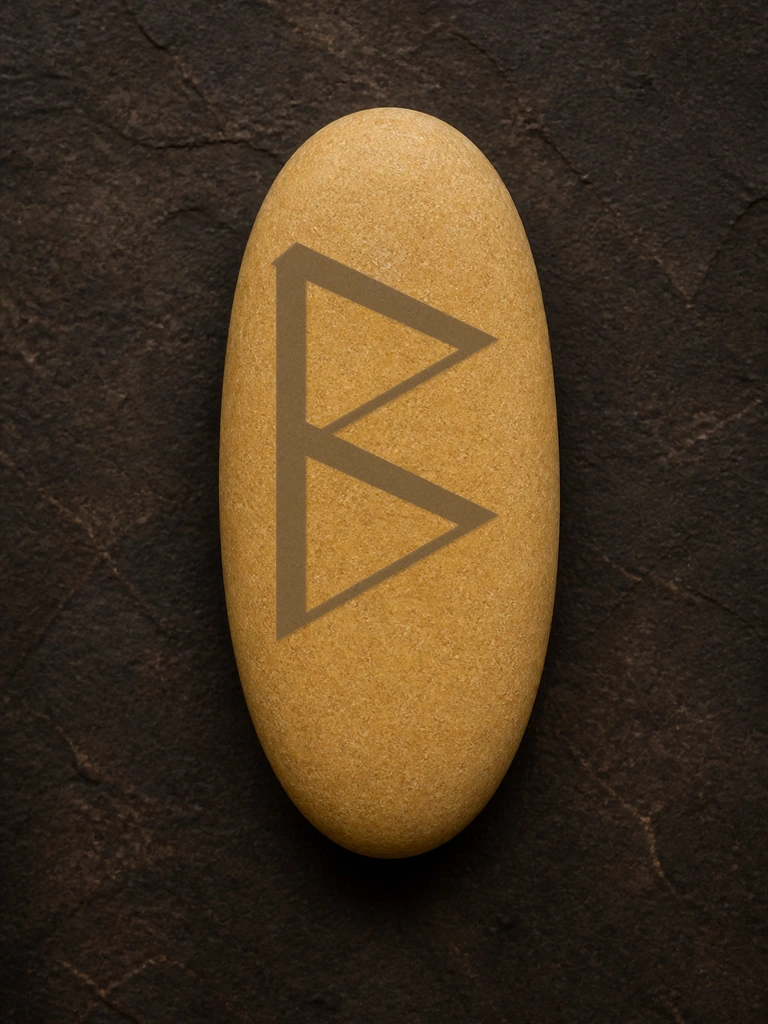
Berkano · Rune
This favors gentle progress, relational care, and nurturing a new beginning.
Growth conditions feel unstable, slowed by anxiety, over-control, or care out of balance.
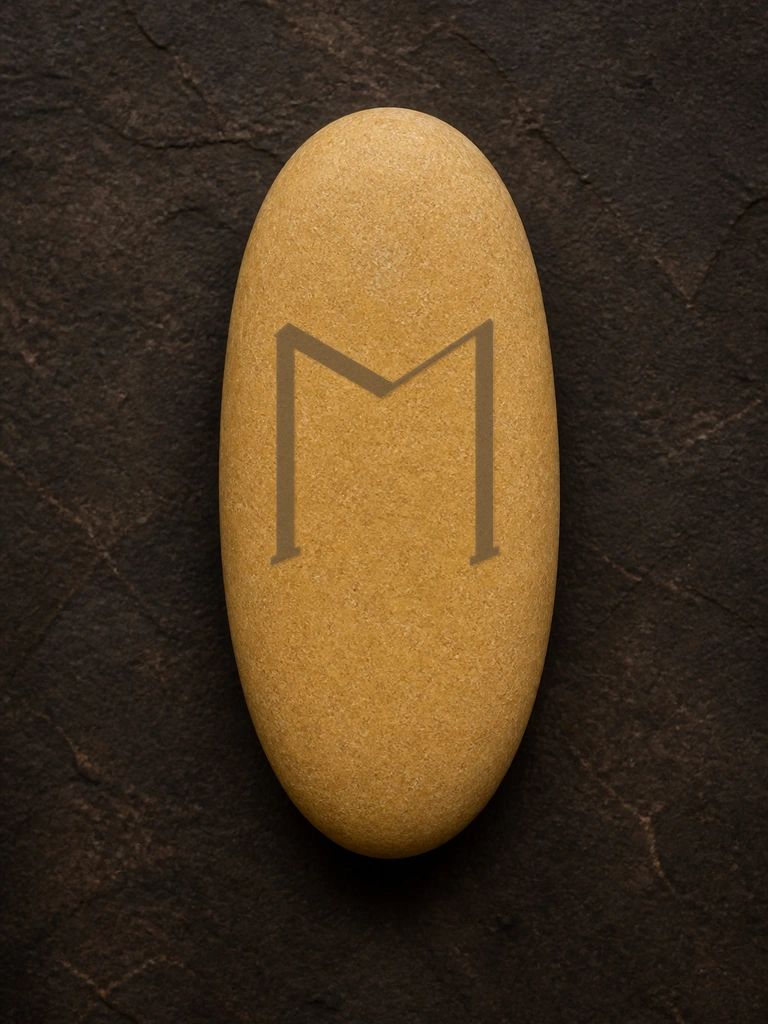
Ehwaz · Rune
Partnership and trust are the real accelerators here, so move with people who can stay in step.
Movement stalls when trust is low or expectations between partners do not align.
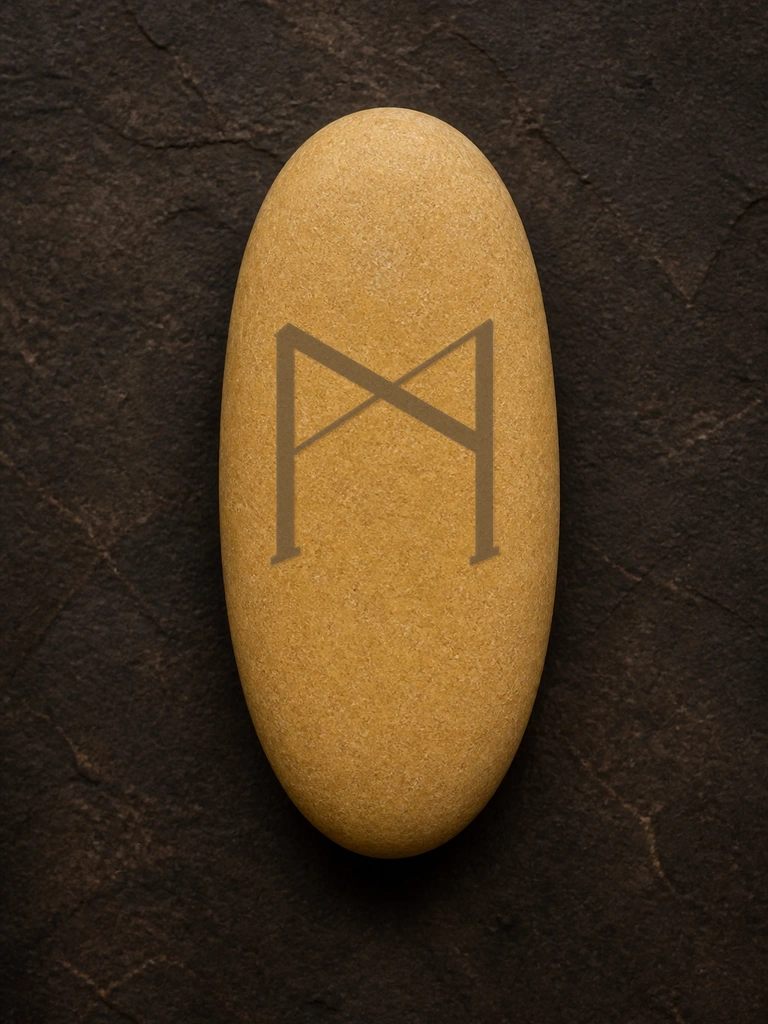
Mannaz · Rune
The issue is tightly linked to self-perception and the way you function within a group.
Self-delusion, over-defensiveness, or distorted social expectations are now the main risk.
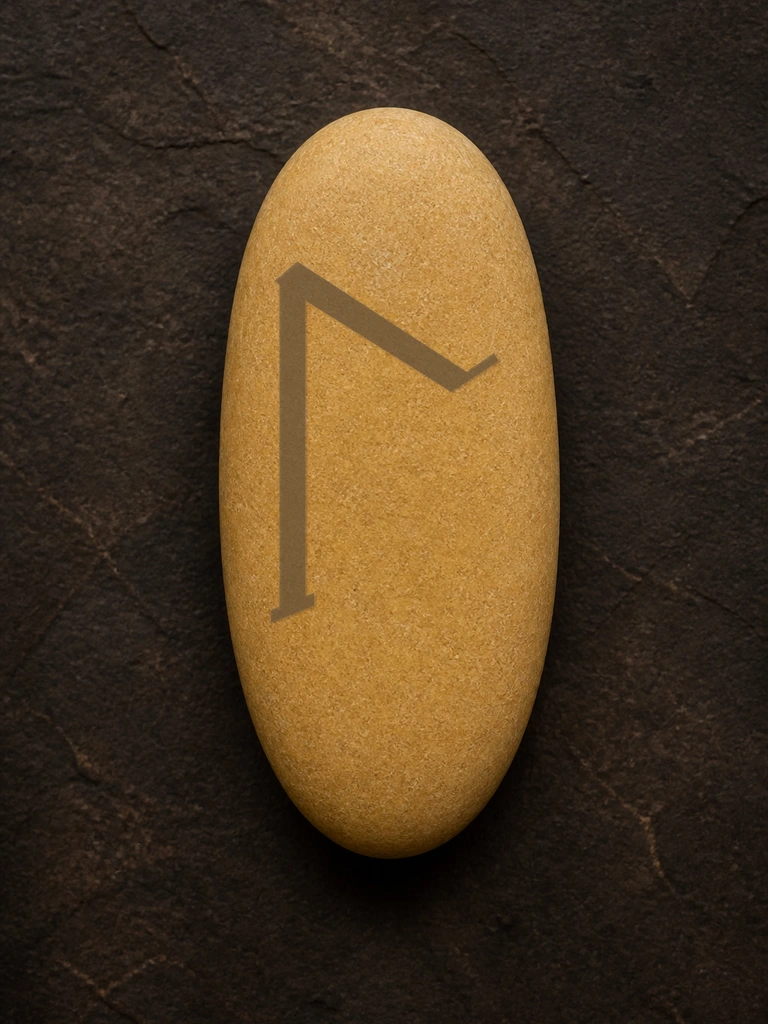
Laguz · Rune
Flow and intuition are useful here, provided you do not replace perception with fantasy.
Emotion and intuition blur together, inviting fear, avoidance, or confused decisions.
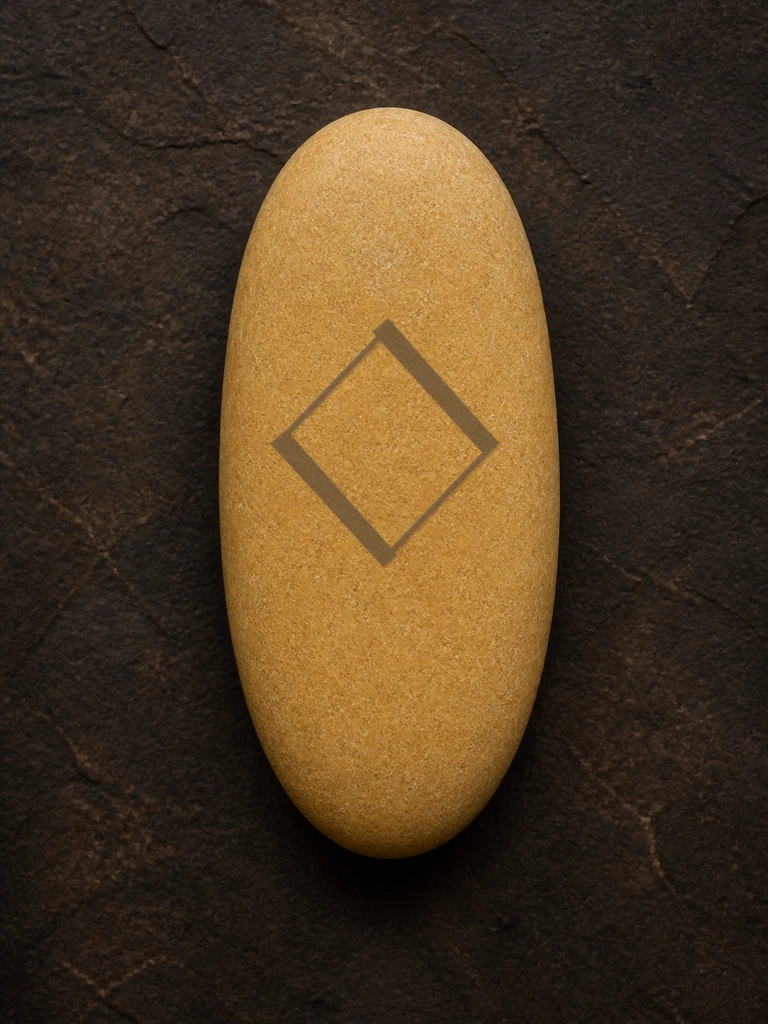
Ingwaz · Rune
Energy is consolidating, favoring completion, incubation, and release at the right moment.
This tool does not assign a separate reversed meaning to this rune; it uses the same interpretation in either orientation.
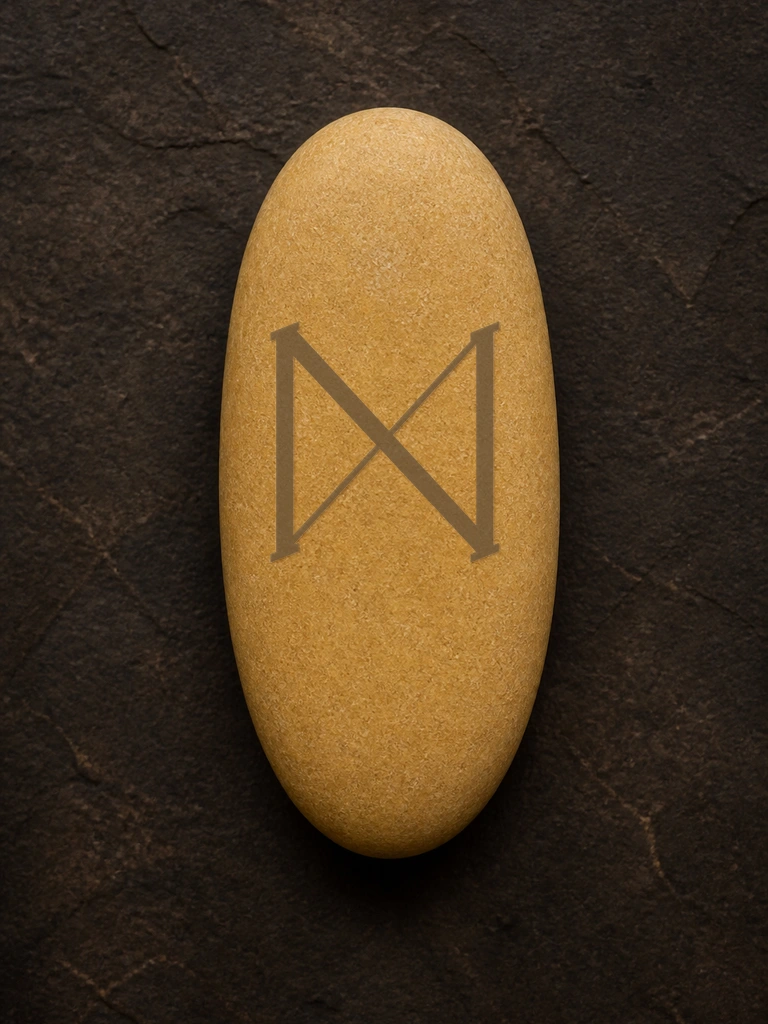
Dagaz · Rune
A breakthrough is close, marking the boundary between old understanding and a new phase.
This tool does not assign a separate reversed meaning to this rune; it uses the same interpretation in either orientation.
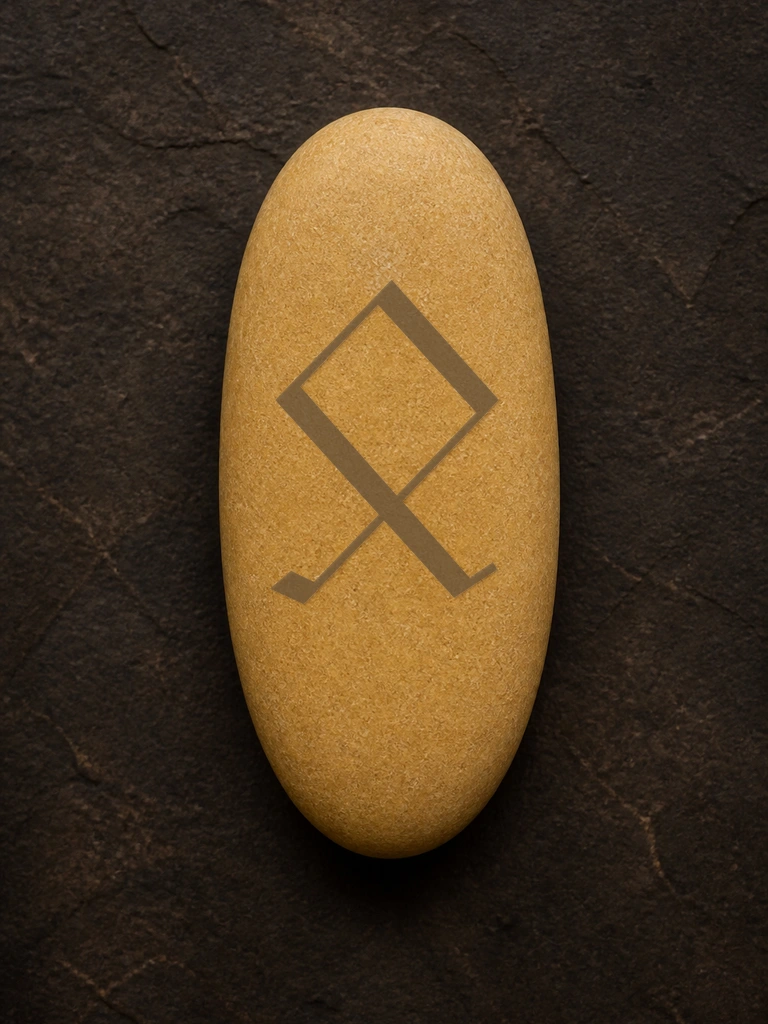
Othala · Rune
Home, legacy, belonging, and long-term foundations are the key frame of reference now.
Home, legacy, belonging, and long-term foundations are the key frame of reference now.
Which rune alphabet are you looking at?
This reference uses the 24-character Elder Futhark. It is not the 16-character Younger Futhark or the expanded Anglo-Saxon futhorc. Elder Futhark was a writing system: letters occur in inscriptions on objects and stones, not only in modern divination sets. Its name comes from the opening sequence f, u, þ, a, r, k. The þ is commonly represented as th in a beginner lookup, but transliteration is a way to represent a written character, not a complete pronunciation guide. Sounds and spellings vary by language and period. Match the actual glyph and the alphabet before treating two similar-looking symbols as interchangeable.
The complete 24-symbol directory in three groups
Group 1: ᚠ Fehu, ᚢ Uruz, ᚦ Thurisaz, ᚨ Ansuz, ᚱ Raidho, ᚲ Kenaz, ᚷ Gebo, ᚹ Wunjo. Group 2: ᚺ Hagalaz, ᚾ Nauthiz, ᛁ Isa, ᛃ Jera, ᛇ Eihwaz, ᛈ Perthro, ᛉ Algiz, ᛋ Sowilo. Group 3: ᛏ Tiwaz, ᛒ Berkano, ᛖ Ehwaz, ᛗ Mannaz, ᛚ Laguz, ᛜ Ingwaz, ᛞ Dagaz, ᛟ Othala. These groups are commonly called ættir, with ætt as the singular. This page uses that arrangement as a learning aid, not a claim that every inscription had the same order or group names. Historical rows and glyph variants exist; modern name spellings also vary. A blank token is not one of these 24 letters.
Fehu: a wealth association is not a promise of income
Historical layer: ᚠ is transliterated f. The later Old English rune poem names its corresponding rune Feoh; the Dickins translation discusses wealth, comfort and generosity. That poem belongs to a later alphabet and context, so it is evidence to compare rather than a surviving Elder Futhark fortune-telling manual. Modern reading layer: this page uses Fehu to explore resources, their movement and stewardship. For a freelance project, ask what money, time or equipment is actually available, what has already been committed and when payment is due. An upright draw does not establish that a client will pay. A reversed reading, when used, can prompt a check for waste or overcommitment; it is not proof of financial loss.
Gebo: distinguish a gift from an obligation
Historical layer: ᚷ is transliterated g. The corresponding Old English Gyfu stanza concerns generosity, honour and support. Modern reading layer: Gebo can frame questions about exchange, consent and reciprocity. Suppose a friend offers unpaid help with a project. Ask what they are offering, for how long and whether either person expects repayment or credit. A balanced exchange need not mean equal money; it needs terms both people understand. The symbol does not confirm a romantic bond or create a debt. Its cross-shaped form has no visually distinct upside-down position under a half-turn, and this tool therefore gives it no separate reversed interpretation.
Algiz: a boundary prompt, with an uncertain name history
Historical layer: ᛉ is conventionally transliterated z in Elder Futhark. Algiz and Elhaz are conventional names; their historical reconstruction and etymology are debated. The later Old English stanza often labelled Eolh describes a marsh plant that wounds someone who grasps it. This is not enough to establish that every earlier user read the character as a universal protection charm. Modern reading layer: our protection and boundary keywords invite a practical question: what safeguard is missing? In a project, that might mean agreed access permissions or a clear cancellation rule. They do not prove supernatural protection, identify an enemy or show that danger is coming. Do not treat an inverted historical glyph from another alphabet as a modern reversed reading without checking its context.
Reversals: state the convention before drawing
The tool does not assign separate reversals to Gebo, Hagalaz, Isa, Jera, Eihwaz, Sowilo, Ingwaz or Dagaz. It normalizes these selections to the upright interpretation. Some glyphs, such as Gebo and Isa, cannot be distinguished after a half-turn; other inclusion choices are part of this tool’s convention and should not be presented as a universal geometric or historical rule. The remaining runes can receive a reversed interpretation in this system. That does not make upright good and reversed bad. A resource can be useful or overextended in either position. Choose a convention before drawing and keep it stable rather than changing the rule to obtain a preferred answer.
Worked example: sharing resources on a small project
Set the question to “What should I clarify before sharing equipment and time on a two-week project?” Select Fehu, Gebo and Algiz deliberately for a teaching exercise. Give the positions the labels available resources, terms of exchange and safeguards. Fehu leads to an inventory of equipment and hours. Gebo leads to a conversation about who contributes what and whether credit or payment is expected. Algiz leads to an agreement about access, damage and the return date. A usable outcome is a short written checklist with those facts. None of the three runes confirms that the other person is trustworthy or that the project will succeed. If using our tool to reproduce these selections, remember that its built-in three-rune spread uses past, present and future labels; the custom teaching labels here are a separate exercise, not the tool’s default spread.
How to check a rune explanation and keep useful notes
Record the glyph, alphabet, name spelling, transliteration, reading convention, question and interpretation separately. For a historical claim, look for an inscription, a named text or a scholarly reference, and note its date and language. For a modern reading, identify the author or system instead of treating a keyword list as ancient consensus. The linked rune poems let you compare later literary descriptions with present-day prompts; they do not prove predictive accuracy. Review an exercise against the facts you later observe, including outcomes that contradict your initial impression. The images here are existing site assets: citing an old alphabet does not establish permission for a modern illustration, and a separate provenance check is still required before redistributing an image.
Start with the question in front of you
When learning Runes, first separate event outcome, relationship state, timing, long-term structure, emotional reflection, and symbolic practice. Runes for beginners works best as a small, specific starting point rather than a list of meanings to memorize.
What this method can show
Runes is most useful for symbolic reflection, personal boundaries, and action reminders. For medical, legal, financial, or safety decisions, put evidence and qualified advice first. A reading can organize a question; it cannot carry the responsibility for the decision.
Try it on one small question
Choose a low-risk question with a clear deadline. Write the known facts, the Runes symbols you are using, and the action you will review later. Try this exercise: drawing one rune for “What boundary should I notice today?”. it should not replace historical study, religious practice, or real decisions.
The method in plain terms
Start with the exact question in “Runes for beginners: Runes Study Guide and Boundaries,” then add detail only when it helps answer that question. Norse Runes is built around the 24 Elder Futhark runes, their sounds, images, reversal rule, and spread positions. Start with a defined question: name the object, the action, the time window, and the outcome you can observe. Separate facts, feelings, hypotheses, and hopes before interpreting terminology. A symbol can suggest a question; it cannot become a fact about another person.
Inputs worth checking first
For “Runes for beginners: Runes Study Guide and Boundaries”, record the exact question, timestamp, relevant context, known facts, deadline, and unacceptable risks. For Norse Runes, the useful starting information is the question, draw method, reversal policy, and review date. More data is not automatically better; irrelevant detail can hide the main issue. Rewrite the question as one sentence such as “Which action should I prioritize in the next 14 days?” Note the timezone, calendar, house system, or rounding assumptions whenever they apply.
A first reading, step by step
For “Runes for beginners: Runes Study Guide and Boundaries”, begin by describing the 24 Elder Futhark runes, their sounds, images, reversal rule, and spread positions without a conclusion. Identify the theme most relevant to the question, including conflict or missing evidence. Translate the symbols into people, processes, resources, or constraints that can be checked in real life, then choose one low-risk, reversible action. When signals conflict, record both sides and return to the time window.
A worked example
When you practise “Runes for beginners: Runes Study Guide and Boundaries”, use three runes for obstacle, resource, and next step instead of a single good-or-bad label. A useful answer does not stop at “good” or “bad.” It separates the resources offered, the responsibility required, the earliest obstacle, and a checkpoint. The next action might be checking a contract, comparing cash flow, clarifying a probation period, or scheduling a direct conversation. At the checkpoint, record what happened, what did not happen, and what action was never attempted.
Misreadings to leave out
When working through “Runes for beginners: Runes Study Guide and Boundaries”, watch for stacking keywords without a sentence, treating symbols as certain facts, repeating a question until a preferred result appears, and ignoring ordinary evidence. For Norse Runes, remember that rune names and modern meanings vary by school; state the alphabet and source used. Distinguish traditional terminology, personal interpretation, and claims that can be checked. Symptoms, legal disputes, investments, dangerous relationships, and questions involving minors require qualified professionals or emergency services; a reading cannot replace them.
A two-week practice record
Begin a 14-day loop for “Runes for beginners: Runes Study Guide and Boundaries”: learn the 24 Elder Futhark runes, their sounds, images, reversal rule, and spread positions for three days, ask one time-bounded question per day for four days, compare the same symbol in different contexts for three days, and review hits, misses, and actions not taken for the final four days. Keep the original wording of each question. Review should improve question quality and action clarity, never be rewritten as a guarantee.
runes are not only divination keywords
The Elder Futhark has 24 runes, often studied in three aettir. Each rune has a letter shape, sound value, and name before later symbolic and divinatory layers are added. A useful glossary keeps those layers separate.
Use the three aettir to reduce memory load
Do not memorize 24 loose keywords at once. Learn eight names and shapes, then literal word meanings, then divinatory context. This also keeps AI summaries from turning the system into unsourced affirmations.
Separate historical meaning from modern divination meaning
Modern books often assign love, career, or energy themes to every rune, while historical reference is closer to names, sounds, word meanings, and rune poems. Both can be shown, but they should not be collapsed into one authority claim.
A short exercise
Try this: I am learning one Elder Futhark rune. List its name, sound value, literal word meaning, traditional source clues, modern symbolic use, and what should not be over-inferred from it.
The method in plain terms
Start with the exact question in “How to Study a Rune Symbol Glossary: Elder Futhark Names, Sounds, Meanings, and Boundaries,” then add detail only when it helps answer that question. Norse Runes is built around the 24 Elder Futhark runes, their sounds, images, reversal rule, and spread positions. Start with a defined question: name the object, the action, the time window, and the outcome you can observe. Separate facts, feelings, hypotheses, and hopes before interpreting terminology. A symbol can suggest a question; it cannot become a fact about another person.
Inputs worth checking first
For “How to Study a Rune Symbol Glossary: Elder Futhark Names, Sounds, Meanings, and Boundaries”, record the exact question, timestamp, relevant context, known facts, deadline, and unacceptable risks. For Norse Runes, the useful starting information is the question, draw method, reversal policy, and review date. More data is not automatically better; irrelevant detail can hide the main issue. Rewrite the question as one sentence such as “Which action should I prioritize in the next 14 days?” Note the timezone, calendar, house system, or rounding assumptions whenever they apply.
A first reading, step by step
For “How to Study a Rune Symbol Glossary: Elder Futhark Names, Sounds, Meanings, and Boundaries”, begin by describing the 24 Elder Futhark runes, their sounds, images, reversal rule, and spread positions without a conclusion. Identify the theme most relevant to the question, including conflict or missing evidence. Translate the symbols into people, processes, resources, or constraints that can be checked in real life, then choose one low-risk, reversible action. When signals conflict, record both sides and return to the time window.
A worked example
When you practise “How to Study a Rune Symbol Glossary: Elder Futhark Names, Sounds, Meanings, and Boundaries”, use three runes for obstacle, resource, and next step instead of a single good-or-bad label. A useful answer does not stop at “good” or “bad.” It separates the resources offered, the responsibility required, the earliest obstacle, and a checkpoint. The next action might be checking a contract, comparing cash flow, clarifying a probation period, or scheduling a direct conversation. At the checkpoint, record what happened, what did not happen, and what action was never attempted.
Misreadings to leave out
When working through “How to Study a Rune Symbol Glossary: Elder Futhark Names, Sounds, Meanings, and Boundaries”, watch for stacking keywords without a sentence, treating symbols as certain facts, repeating a question until a preferred result appears, and ignoring ordinary evidence. For Norse Runes, remember that rune names and modern meanings vary by school; state the alphabet and source used. Distinguish traditional terminology, personal interpretation, and claims that can be checked. Symptoms, legal disputes, investments, dangerous relationships, and questions involving minors require qualified professionals or emergency services; a reading cannot replace them.
A two-week practice record
Begin a 14-day loop for “How to Study a Rune Symbol Glossary: Elder Futhark Names, Sounds, Meanings, and Boundaries”: learn the 24 Elder Futhark runes, their sounds, images, reversal rule, and spread positions for three days, ask one time-bounded question per day for four days, compare the same symbol in different contexts for three days, and review hits, misses, and actions not taken for the final four days. Keep the original wording of each question. Review should improve question quality and action clarity, never be rewritten as a guarantee.
Continue exploring
A 24-rune reference with three groups of eight, source distinctions, reversal rules and a concrete exercise about sharing project resources.
Sources
Frequently asked questions
Are these Viking runes?
This page specifically uses the 24-character Elder Futhark. Much Viking Age Scandinavian writing used Younger Futhark instead. Identify the alphabet rather than treating all runic writing as one fixed set.
Is there a 25th blank rune?
A blank token is not a letter in the 24-character Elder Futhark row. Some modern sets add one under their own rules; this tool does not include it.
Does every rune have a reversed meaning?
No. This tool uses one interpretation for Gebo, Hagalaz, Isa, Jera, Eihwaz, Sowilo, Ingwaz and Dagaz. Other systems may use different conventions, so state the rule before drawing.
Can a rune tell me whether somebody is lying?
A symbolic reading cannot establish another person’s private thoughts or prove deception. Use it to formulate questions, then check relevant communication and facts.
Are the meanings in this guide historical translations?
The modern reading prompts are interpretations. They are separated from glyphs, transliterations and later rune-poem evidence; they should not be quoted as literal translations of ancient divination instructions.
Is Runes for beginners beginner-friendly?
Yes, if you begin with rune names, core symbolism, and upright/reversed context and do not treat it as a tool for deciding major life events immediately.
What is Runes best for?
It fits symbolic reflection, personal boundaries, and action reminders. If medical, legal, financial, or safety issues are involved, real evidence and professional advice come first.
What is the most common learning mistake?
Mixing symbols, emotional advice, long-term structure, and one event outcome into one undifferentiated answer.
Can I learn it with other methods?
Yes. Treat Runes as one layer, then compare it with event, timing, natal, or reflection methods.
What is one practice example?
Practice drawing one rune for “What boundary should I notice today?”
How many runes are in the Elder Futhark?
It is usually listed as 24 runes, often grouped into three aettir of eight runes each.
Are rune meanings fixed?
Names and sound values are relatively fixed, but modern divination keywords vary by source and should be labeled.
Should beginners memorize divination meanings first?
No. Learn names, shapes, sounds, and literal word meanings before symbolic extension.
Can runes directly predict events?
They fit symbolic reflection and boundary reminders better than fact replacement or professional judgment.